India’s history is fascinating — the word India comes from Indus, which is a derivative of the Old Persian word Hindu.
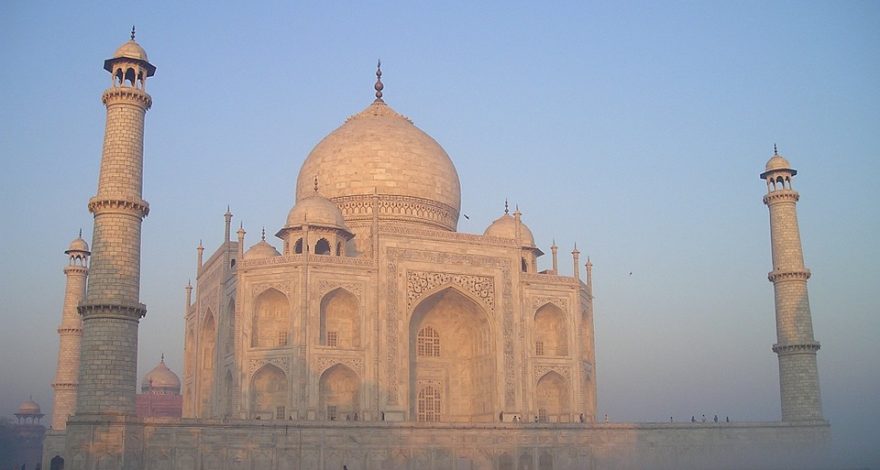
India is famous for a multitude of reasons, including beautiful architecture, as seen in the Brihadeeswarwar Temple (see right); delicious tandoori cuisine, such as naan; and the Bollywood film industry.
Learning the history of India provides context for understanding the home of peace-loving Mahatma Gandhi.
Early History of India
One of the earliest known settlements in this area was the Indus Valley Civilization, which developed in 3300 BC. By 2600 BC, the settlement had given birth to thousands of major cities, many with their own drainage systems. The farmers in India at that time were using bronze tools and mostly raising sheep, cattle and goats. Many residents of the cities traded with each other and spent time spinning cotton.
By about 1700 BC, major changes began taking place. The Indus Valley Civilization had begun to decline for unknown reasons, the Vedic Civilization developed after the Aryans arrived from Asia, and Hinduism arose.
In the same period, the common job of raising cattle was mostly replaced by agriculture. According to reports on India’s history, the Vedic Civilization ended around 500 BC.
India’s Golden Age
By the fifth century BC, Jainism was becoming increasingly popular, and soon Buddhism arrived in India, as well. This is largely due to Asoka the Great taking over circa 269 BC, succeeding Chandragupta Maurya as ruler of the Maurya Empire. Asoka spent years trying to show Indians the benefits of Buddhism.
This period in history was eventually called India’s Golden Age. During this time the people of India learned much about language, religion, math and other important subjects they would continue to value for years.
By the eighth century AD, a new religion – Islam – was introduced to India, and it soon gained a stronghold as a political force.
India’s History with Europeans
In the 1700s, Europeans from various countries became interested in India, and in 1856, it was included in the British East India Company. India was then ruled by the British Empire for nearly a century.
Despite trying for years to get rid of British rule, and starting a war of independence in 1857, India did not succeed until Mahatma Gandhi arrived. Instead of fighting violently against British rule, he helped India change its history through peaceful means.
In the end, India once again had its independence by 1947, and it became a republic in 1950. India’s history since then has included a few wars with Pakistan in China, and it has also joined the United Nations.
Facts About India
Full name: Republic of India
Capital: New Delhi
Population: 1.22 billion
Major Language: Hindi
Major Religion: Hindu
Life expectancy: 66 years (for men), 68 years (for women)
Main exports: petroleum, precious stones, steel, machinery, iron, chemicals, clothing